
SMS, SMMS or SSMMS: How to Choose a Nonwoven for Hygiene and Medical Products
What S and M Mean: Spunbond Strength and Meltblown Barrier
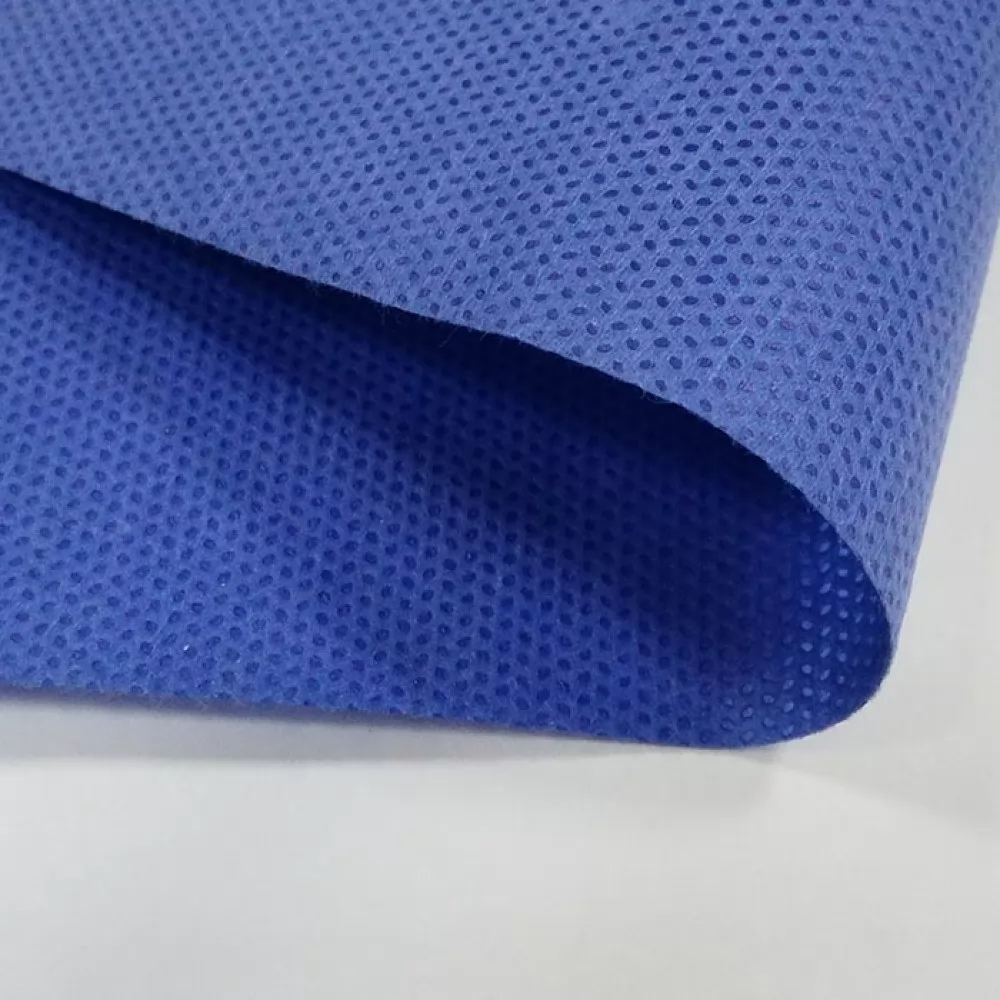
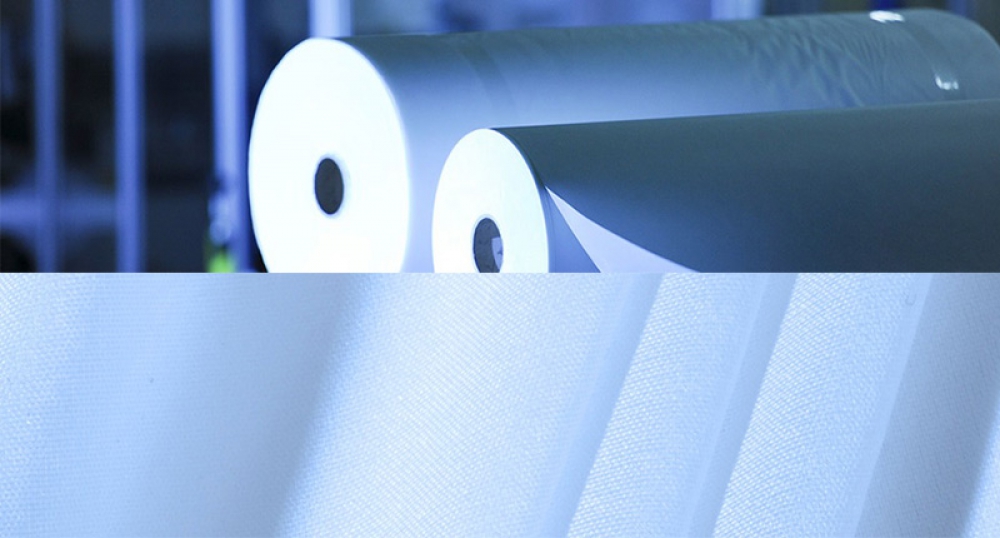
In nonwoven names, every letter stands for a layer. S is spunbond: continuous polypropylene filaments laid down and thermally bonded into a strong, uniform web. Spunbond gives the fabric its tensile strength, tear resistance and abrasion resistance. M is meltblown: very fine fibres blown from molten polymer into a dense web with small pores. Meltblown adds little strength, but it creates the barrier against liquids, particles and bacteria. By combining the two, a manufacturer can tune a fabric for strength, barrier, softness and cost at the same time.
At Felix Nonwovens in Eskişehir, Türkiye, we produce polypropylene spunbond nonwoven and SMS-type composites in weights from 10 to 100 g/m², and meltblown from 10 to 100 g/m², including nano and ultra-nano fibre grades for higher barrier at low weight.
SS, SMS, SMMS and SSMMS: Structure and Typical Weights
- SS (spunbond/spunbond): two spunbond layers, no meltblown. Soft, strong and economical, used where barrier is not the main requirement.
- SMS: a meltblown layer between two spunbond layers. A good balance of strength and barrier for many medical and hygiene uses.
- SMMS: two meltblown layers in the middle. A more even barrier at the same weight, because a weak spot in one meltblown layer is covered by the other.
- SSMMS: an extra spunbond layer on top adds softness, uniformity and strength. This is often the choice for premium hygiene and demanding medical fabrics.
All of these structures can be made across the 10 to 100 g/m² range. Lighter grades suit hygiene components, while heavier grades are used for gowns, drapes and protective items. The right weight depends on the barrier and strength your product must reach, not on the structure name alone.
Hygiene Positions: Topsheet, Backsheet, Leg Cuff and Core Wrap
- Topsheet: usually a soft, light spunbond or SS with a hydrophilic finish, so liquid passes quickly into the core.
- Backsheet: a spunbond outer layer, often laminated to a breathable film (12 to 20 g/m²) for a cloth-like, breathable and liquid-proof back.
- Leg cuff: a hydrophobic SMS or SMMS that holds liquid inside the product while staying soft against the skin.
- Core wrap: a light SMS or SMMS that keeps absorbent material in place and controls liquid distribution.
Medical Uses: Gowns, Drapes, Caps and Reinforced Fabrics
In medical products, barrier is critical. SMS and SMMS are widely used for surgical and isolation gowns, caps, shoe covers and face mask layers. For surgical drapes and reinforced gowns, SMS can be combined with absorbent or film-laminated reinforcement in the critical zones. Finished medical products must meet the relevant standards, such as EN 13795 in Europe and the FDA 510(k) pathway in the United States. We also supply medical finished goods, with drapes available sterile and non-sterile.
Finishes: Hydrophilic, Anti-Static, UV and FR
Polypropylene is naturally hydrophobic. Finishes and additives change its behaviour for each use:
- Hydrophilic: for topsheets and acquisition layers that must let liquid through.
- Anti-static: for medical fabrics used in operating rooms and for some industrial uses.
- UV stabilised: for agricultural, construction and outdoor fabrics.
- FR (flame retardant): for applications with fire safety requirements.
Widths, Slitting and Colours
We produce in widths of 160, 320, 400 and 540 cm and offer custom slitting to the roll widths of your converting line. Colours such as white, blue and green are common for medical use, and other colours can be discussed with our team. Our fabrics are OEKO-TEX certified, which supports products that touch the skin.
Lab Tests: Strike-Through, Wetback and Water Column
Choosing between SMS, SMMS and SSMMS should be backed by testing, not by the name alone. Three common tests are:
- Strike-through time: how fast liquid passes through a hydrophilic topsheet.
- Wetback (rewet): how much liquid returns to the surface under pressure, an indicator of dryness for the user.
- Water column (hydrostatic head): how much water pressure a hydrophobic fabric holds before leaking, a key measure for leg cuffs, gowns and drapes.
Tensile strength, elongation, air permeability and basis weight uniformity are also checked. Ask us which values matter for your product and we will share the datasheet for the grades that fit.
How to Request Samples and Datasheets
To help us recommend the right structure, tell us the end product, the position of the fabric in it, the target weight, the width, the finish and any standard the finished product must meet. Datasheets are available on request, and private label options are available for finished products.
Ready to choose your nonwoven? Email us at info@felixnonwovens.com or use our contact page, and our team will suggest the SMS, SMMS or SSMMS grade that fits your hygiene or medical product.